Detroit Land Clearing Services: Professional Site Preparation for Commercial Projects
Land Clearing Services: Preparing Your Property for New Possibilities
Land clearing services are vital for transforming overgrown or cluttered properties into viable spaces for development. These specialists diligently clear impediments, providing a reliable foundation for forthcoming developments. With a comprehensive grasp of site inspections and environmental requirements, they strengthen both safety and accessibility. However, choosing the right service can be complex, and understanding the process is essential. What should property owners consider before starting on this journey?
How Land Clearing Shapes Your Property Development Journey
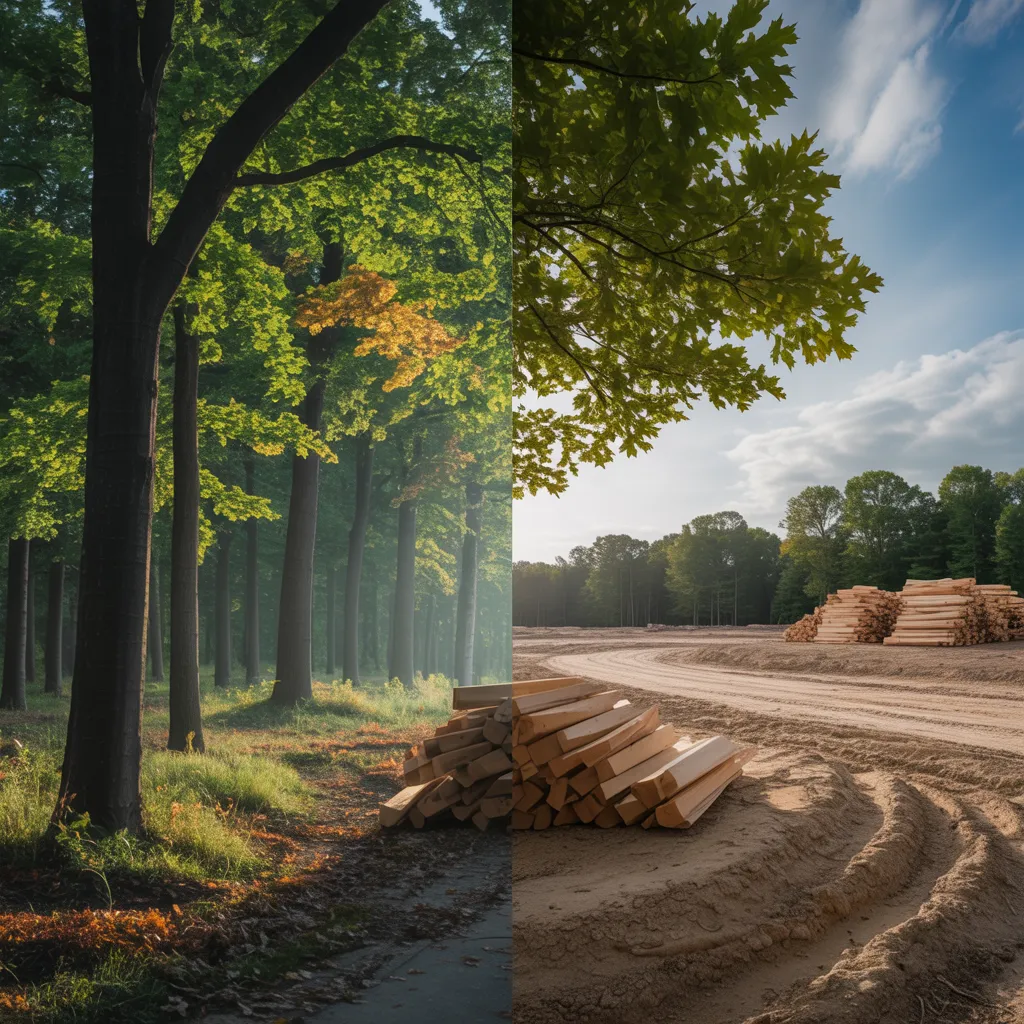
Land clearing begins the transformation of a property development journey by preparing the site for future construction. This critical initial step requires the removal of obstacles such as vegetation, shrubs, and waste material, establishing a blank canvas for builders and architects. By creating a smooth and even surface, land clearing improves site accessibility, facilitating the smooth flow of machinery and materials.
Moreover, it creates the framework for effective planning and development, as planners can better understand the spatial layout of structures more effectively. The procedure also helps in pinpointing likely ecological concerns, such as soil quality or drainage issues, promoting proactive solutions.
In addition, land clearing can boost safety by reducing threats associated with excessive plant growth and hazardous ground conditions. At its core, this significant process not only simplifies construction but also cultivates a highly structured and purposeful approach to site development, setting the stage for future possibilities.
Steps Required in the Land Clearing Process
Site clearing requires several key steps that guarantee a seamless and productive workflow. Initially, a comprehensive site evaluation is performed to identify obstacles such as trees, rocks, and vegetation. This inspection shapes the strategic phase, where removal methods are established, considering environmental regulations and potential impacts.
Additionally, landowners may need to obtain necessary permits, securing compliance with local laws. After receiving check now approval to move forward, large machinery, such as bulldozers and excavators, is deployed to eliminate vegetation and unwanted debris. Throughout this stage, close attention is paid to limiting soil disturbance and preserving the integrity of adjacent areas.
Subsequent to the extraction, the property receives ground preparation to form a uniform terrain, setting up it for subsequent landscaping or construction. Lastly, waste material is removed responsibly, frequently utilizing recycling or mulching, making the land set for new opportunities. Each step is critical to achieve a productive land clearing project.
How to Pick the Best Land Clearing Company for You
Picking the best land clearing contractor demands careful consideration to guarantee the project fulfills both standards and regulations. To begin, potential prospects should evaluate the firm's background and expertise in handling similar projects. A reputable contractor with a strong performance record is often more trustworthy.
Furthermore, it is essential to ensure that the service provider possesses the required licenses and insurance, safeguarding both the customer and the site during the land clearing work. Moreover, reviewing reviews and customer testimonials can offer helpful details into the service provider's track record and quality of work.
Cost estimates are also significant, as they should be clear and comprehensive, covering all possible costs. Customers should request several bids to verify they are being offered reasonable costs. Finally, effective communication is essential; a responsive company will address questions and concerns promptly, fostering a collaborative working relationship. These factors collectively aid in selecting the best land clearing company to meet specific needs.
Environmentally Responsible Land Clearing Practices
Incorporating eco-friendly methods in land clearing is essential for reducing ecological harm and supporting ecosystem stability. Companies committed to sustainability employ methods that reduce soil erosion, preserve native vegetation, and protect local wildlife habitats. Approaches including precision clearing allow for the removal of only specific trees and shrubs, minimizing impact on the surrounding environment.
Additionally, using advanced equipment engineered for minimal-impact work helps minimize compaction of soil and deterioration of surrounding flora. After clearing, approaches including replanting trees and establishing cover crops are able to rejuvenate the area, enhancing biodiversity and soil health.
Furthermore, adopting waste management strategies, such as turning cleared vegetation into mulch or biofuel, promotes a closed-loop economy. By prioritizing these green approaches, professional land clearing services can guarantee that upcoming development projects adheres to sustainable environmental practices, promoting a healthier natural landscape for the generations ahead.
How to Prepare Your Land for Future Projects
Before initiating a construction or landscaping project, proper land preparation is essential to guarantee a successful outcome. First and foremost, one should examine the land's topography, soil quality, and drainage patterns. This analysis facilitates educated decisions about appropriate vegetation, constructions, or additional improvements. Removing debris, rocks, and undesirable vegetation from the land is essential, as it provides a clean slate for future work.
Following this, soil tests should be performed to assess nutrient concentrations and pH balance, facilitating required adjustments to encourage thriving plant growth. Moreover, clearly marking the project boundaries helps streamline the process and minimizes potential disputes later on.
To conclude, creating a comprehensive outline that outlines the project's timeline, scope, and budget is critical. Such a systematic strategy not only creates transparent benchmarks but also serves as a roadmap for all participating parties, ensuring efficient progress toward fulfilling the anticipated milestones.
The Reasons to Hire Professionals for Your Land Clearing Needs?
Employing professionals for land clearing ensures access to expert expertise in equipment handling and upkeep. Their familiarity with safety protocols and compliance standards mitigates risks associated with the site clearing process. As a result, this professional approach improves efficiency while promoting a safer work environment.
Proficiency In Equipment Use
Maneuvering the challenges of land clearing demands specialized knowledge and equipment, which is where professional services shine. Skilled contractors hold extensive training in handling advanced machinery, such as bulldozers, excavators, and stump grinders. This proficiency ensures that jobs are finished efficiently and effectively, minimizing damage to the surrounding environment. Furthermore, professionals are familiar with the most current methods, enabling them to handle complex terrain and thick overgrowth with confidence. Their proficiency not only enhances productivity but also reduces the risk of costly mistakes that can arise from improper equipment use. By enlisting professionals, property owners can be confident that their property will be properly and safely cleared, paving the way for future projects or landscaping.
Protection And Compliance Standards
A thorough knowledge of compliance and safety regulations is vital in land clearing projects, as it secures the protection of both employees and the surrounding ecosystem. Experienced land clearing experts are equipped to follow industry best practices and local regulations, reducing risks associated with hazardous materials, heavy machinery, and environmental degradation. They implement required safety measures, including the utilization of personal protective equipment (PPE) and conducting risk assessments before commencing work. Adhering to regulations not only mitigates legal risks but also fosters environmentally sound land management. Engaging professionals ensures that all procedures are executed with safety and efficiency, permitting property owners to focus on their projects without the burden of managing complicated regulatory and safety requirements.
Frequently Asked Questions
What Permits Do You Need for Land Clearing Projects?
Permits needed for land clearing projects generally include environmental permits, grading permits, and in some cases local zoning approvals. Rules and regulations differ by location, so reaching out to local authorities confirms compliance with all relevant legal requirements prior to beginning the project.
How Long Does It Generally Take to Complete the Land Clearing Process?
The process of land clearing usually spans one to several weeks, influenced by factors such as the size of the area, the density of vegetation, and prevailing weather conditions. Every project is different, significantly affecting the overall timeline.
Can Land Clearing Boost Property Value?
Absolutely, land clearing has the potential to boost the value of a property. By clearing obstructions and boosting visual appeal, it makes the property more desirable to future purchasers, thereby improving marketability and general value of the real estate in the property market.
What Equipment Is Utilized in Land Clearing?
Land clearing generally makes use of equipment such as bulldozers, excavators, chainsaws, and chippers. These machines effectively eliminate brush, trees, and debris, guaranteeing the land is suitable for agricultural activities or future development.
What Are the Risks of DIY Land Clearing?
Yes, DIY land clearing presents several risks such as injury from heavy machinery, damage to surrounding property, and harm to the surrounding environment. Additionally, using improper techniques may result in legal complications regarding permits and regulations, making the process even more complicated.